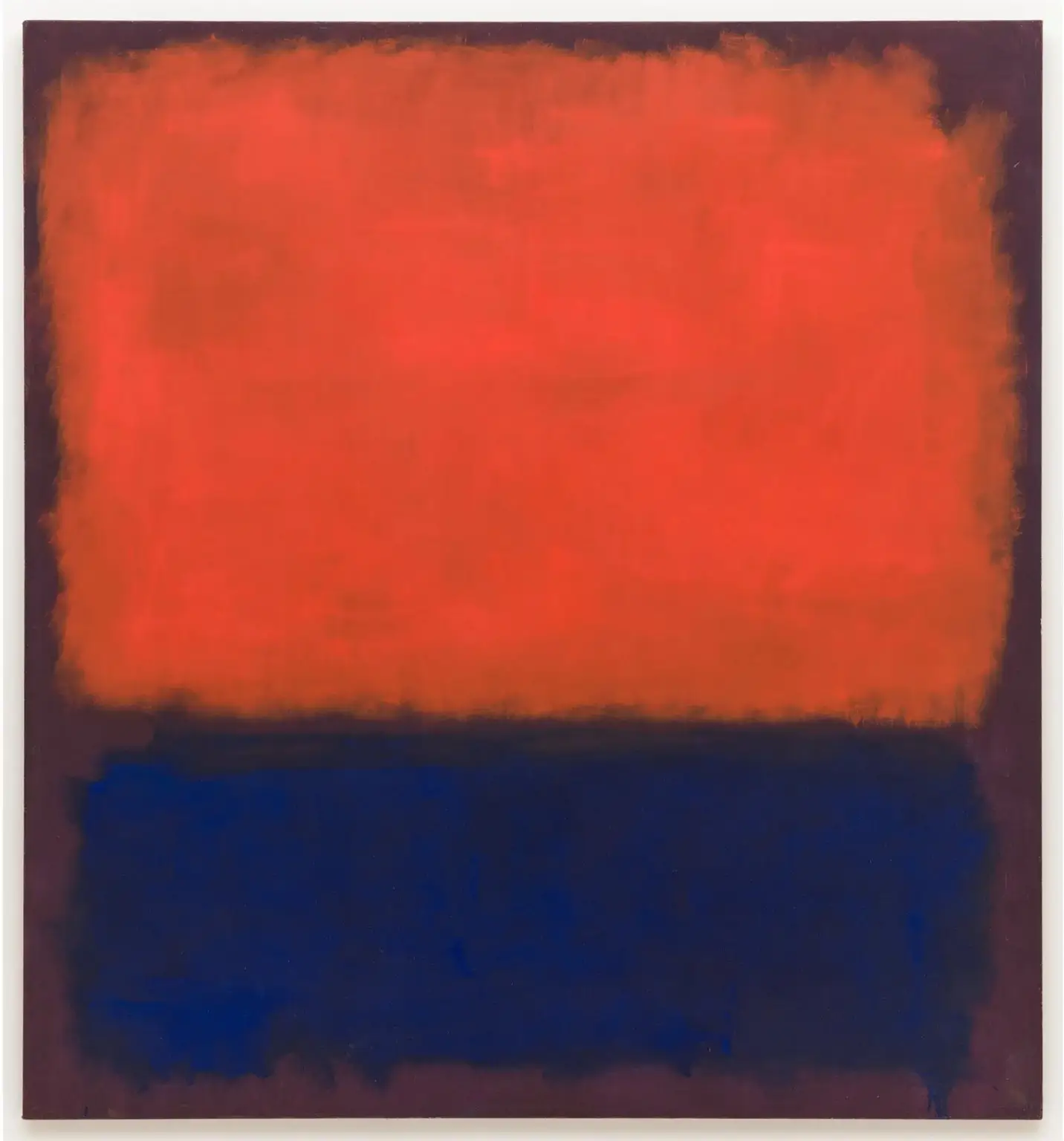






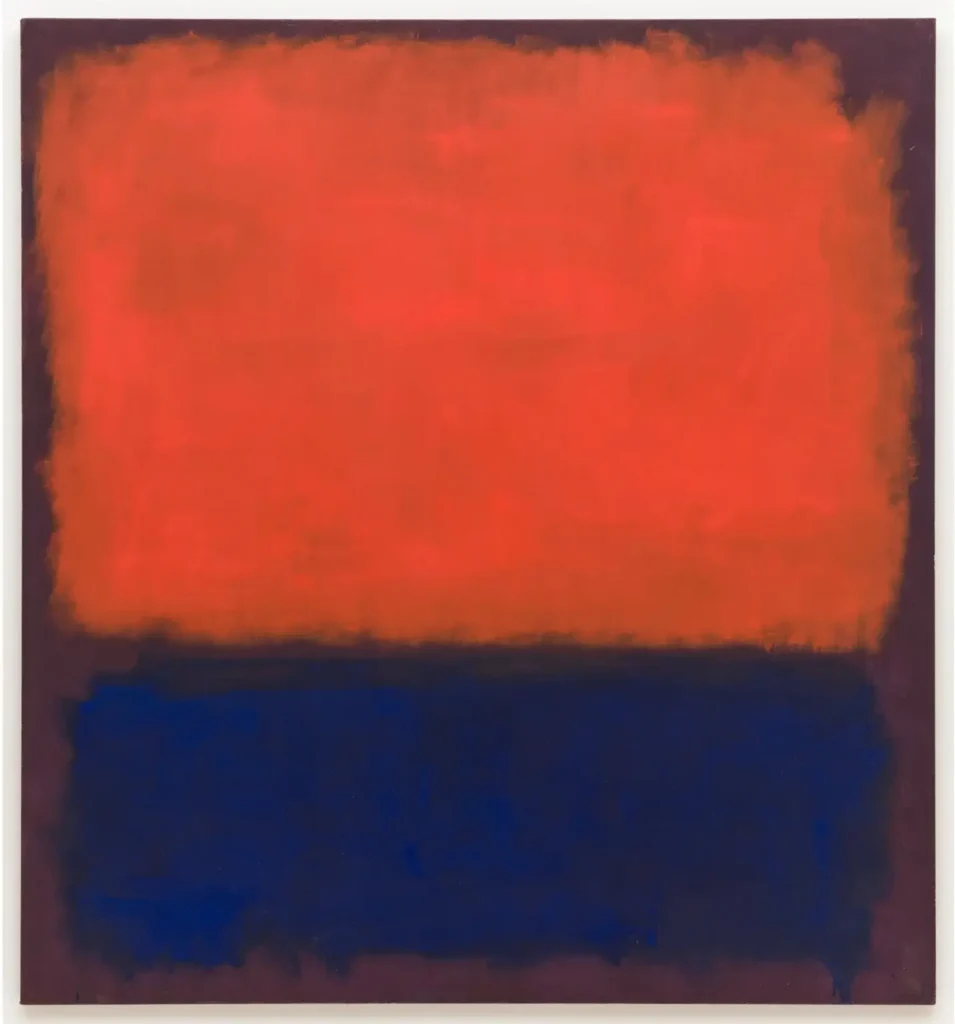
Mark Rothko, No. 14, 1960 – tolerating silence in psychotherapy
Author: Farhad Radfar
Audience: Therapists and psychoanalysts
Reading Time: 4–5 minutes
“In a way, psychoanalysis is extremely simple, but like every simple thing, for some reason it is awfully difficult to carry out.”
— Wilfred R. Bion, Clinical Seminars and Other Works (1987), p. 5
Understanding the Challenge of Simplicity
This statement by Bion is neither poetic ornament nor abstract reflection; it is a clinical warning. It addresses the analyst who assumes that difficulty arises from insufficient technique or theoretical knowledge. Bion redirects our attention elsewhere: to the difficulty of tolerating simplicity. This simplicity is not naïveté or reductionism; it is the deliberate relinquishment of the defensive additions that protect the analyst’s mind.
Theoretical Simplicity: Clearing the Mind Rather Than Filling It
When Bion speaks of the simplicity of psychoanalysis, he refers to a conscious reduction of mental clutter—a withdrawal from premature knowing, hasty naming, and controlling experience. At a theoretical level, Bionian psychoanalysis rests on a few deceptively simple principles:
- mental presence without preconception (faith in O),
- the capacity to tolerate not-knowing and frustration,
- listening without an urge to interpret too quickly, and
- containment—holding the patient’s experience without manipulating or correcting it.
Yet this simplicity directly clashes with the human mind’s defensive structure. We struggle to tolerate uncertainty, the absence of meaning, and the loss of control. Thus, the theory appears simple, but its practice runs counter to our habitual psychological tendencies. Bionian psychoanalysis is simple because it adds little; it is difficult because it takes much away—omniscience, omnipotence, certainty, and the comfort of knowing.
Clinical Implications: Tolerating Silence in Psychotherapy
Clinically, this difficulty becomes palpable in the consulting room. The analyst knows not to rush, not to correct the patient’s experience, not to understand too quickly, and not to soothe prematurely. But in the lived moment, silence can become anxiety-provoking, and the temptation to “help” emerges. The mind drifts toward interpretation, explanation, or reassuring empathy. Here, Bion’s insight comes alive: the hard work is not doing complex things, but refraining from unnecessary ones. Many therapeutic failures stem not from a lack of technique, but from an inability to endure the simplicity of the analytic situation—to remain with silence, uncertainty, and unprocessed experience.
Clinical Vignette | A Simple Moment, a Difficult Task
A patient falls silent after recounting a painful memory. The silence stretches on, heavy and uncomfortable. The analyst feels an urge to intervene, fearing abandonment or rupture. Instead, the analyst waits. After several minutes, the patient softly says, “This is the first time no one is rushing me out of this feeling.” No interpretation was offered—only the endurance of simplicity. And that was enough.
Final Message: The Power of Tolerating Silence in Psychotherapy
Bion’s message is ultimately this: psychoanalysis works when the analyst can be less rather than more—less knowing, less intervening, less certain, and more capable of bearing uncertainty. This “less” is psychologically costly, but it is precisely what makes transformation possible. [Read More:When the Psychic Ear Goes Deaf]
For further reading on Bion’s concept of containing and tolerating silence, see this link.