Through the Self,
Healing Emerges.
Khishatan provides more than psychotherapy—it offers a reflective and supportive space for Farsi-speaking individuals to explore their inner world. Through psychoanalytic psychotherapy, Khishatan helps individuals understand their emotions, navigate life transitions, and build meaningful relationships. The approach is compassionate, thoughtful, and tailored to each person’s unique experiences, fostering growth and healing from within, wherever they are.
Consultation hours
Feedback
Consultation hours
Bookings
Feedback
Customers
Khishtan Clinic
Psychoanalytic Psychotherapy for Adults, Children, Adolescents, Couples, and Families
Khishatan Clinic provides psychoanalytic psychotherapy for adults, children, adolescents, couples, and families, as well as guidance and counseling for parents on effective parenting. Our approach focuses on a deep understanding of the inner world, personal growth, and the development of meaningful relationships.
At Khishatan, therapy is provided by psychotherapists who have completed extensive specialized training in psychoanalytic psychotherapy and enriched their practice through numerous supervisions with leading psychoanalytic practitioners from around the world. These psychotherapists are committed to the ethical principles of psychoanalytic psychotherapy, ensuring high standards of care, sensitivity to cultural and individual differences, and a safe, reflective space for all clients.
Khishtan Clinic
Psychoanalytic Psychotherapy for Adults, Children, Adolescents, Couples, and Families
Khishatan Clinic provides psychoanalytic psychotherapy for adults, children, adolescents, couples, and families, as well as guidance and counseling for parents on effective parenting. Our approach focuses on a deep understanding of the inner world, personal growth, and the development of meaningful relationships.
At Khishatan, therapy is provided by psychotherapists who have completed extensive specialized training in psychoanalytic psychotherapy and enriched their practice through numerous supervisions with leading psychoanalytic practitioners from around the world. These psychotherapists are committed to the ethical principles of psychoanalytic psychotherapy, ensuring high standards of care, sensitivity to cultural and individual differences, and a safe, reflective space for all clients.
Khishtan Departments
At Khishtan, with expert advice and psychological tools, we help you find a better path to life and a calmer mind.
Explore articles and therapy sessions that help you understand your inner world.
Individual psychotherapy
Discover articles and therapy sessions focused on love, conflict, and connection.
Couples and Marriage
Read and reflect on the child’s emotional world — and explore therapy designed for growth.
Child and Adolescent
Find articles and therapy sessions that support your journey as a parent.
Parents Consulting
Explore writings and therapy sessions about the psychology of migration and belonging.
Psycho-Immigration
Special discount on psychoanalysis consultations for students
If you’re a student, send us your student ID, and after verification, you can enjoy a special discount on psychoanalysis sessions. Start your journey to peace with just one simple step!
Special discount on psychoanalysis consultations for students
If you’re a student, send us your student ID, and after verification, you can enjoy a special discount on psychoanalysis sessions. Start your journey to peace with just one simple step!
Members Of Khishtan
Khishtan Psychology Clinic aims to provide specialized psychological and psychotherapy services, providing a calm and professional environment for in-person and online clients. At this center, a team of experienced psychologists and psychoanalysts use scientific and up-to-date methods to help improve the mental health of individuals and families. Whether in the calm atmosphere of the clinic or from the comfort of your own home, you can benefit from our services.
You are not Alone
There is a space where words are not required to be perfect —
where silence, confusion, and longing are also welcomed.
In this shared space, healing begins quietly, through understanding and connection.
Easily Book Your Psychoanalytic Psychotherapy Session!
At Khishtan, with expert advice and psychological tools, we help you find a better path to life and a calmer mind.
1.
Choose Your Session Type
Select whether you’d like to book a Free Introductory Session or begin your Weekly Therapy Sessions.
This helps us tailor your booking experience and guide you through the right process.
2.
Choose Your Department and Psychotherapist
Select the department that best fits your needs and explore our therapists’ profiles to find the one whose approach feels right for you.
3.
Choose Your Date, Time & Confirm
Pick a date and time that works best for you. The calendar automatically adjusts to your local time zone to make scheduling simple and accurate.
Begin with a free 20-minute online session
Begin with a free 20-minute online session to meet your therapist and decide together whether you’d like to continue. If both sides agree to continue, you can reserve your regular weekly online psychoanalytic psychotherapy sessions.
Begin with a free 20-minute online session
Begin with a free 20-minute online session to meet your therapist and decide together whether you’d like to continue. If both sides agree to continue, you can reserve your regular weekly online psychoanalytic psychotherapy sessions.
Quote from psychoanalysts
In this section, you will read a selection of quotes from psychoanalysts and prominent thinkers—short yet profound sentences that can offer a fresh perspective on the mind, emotions, and the journey of self-discovery.
-
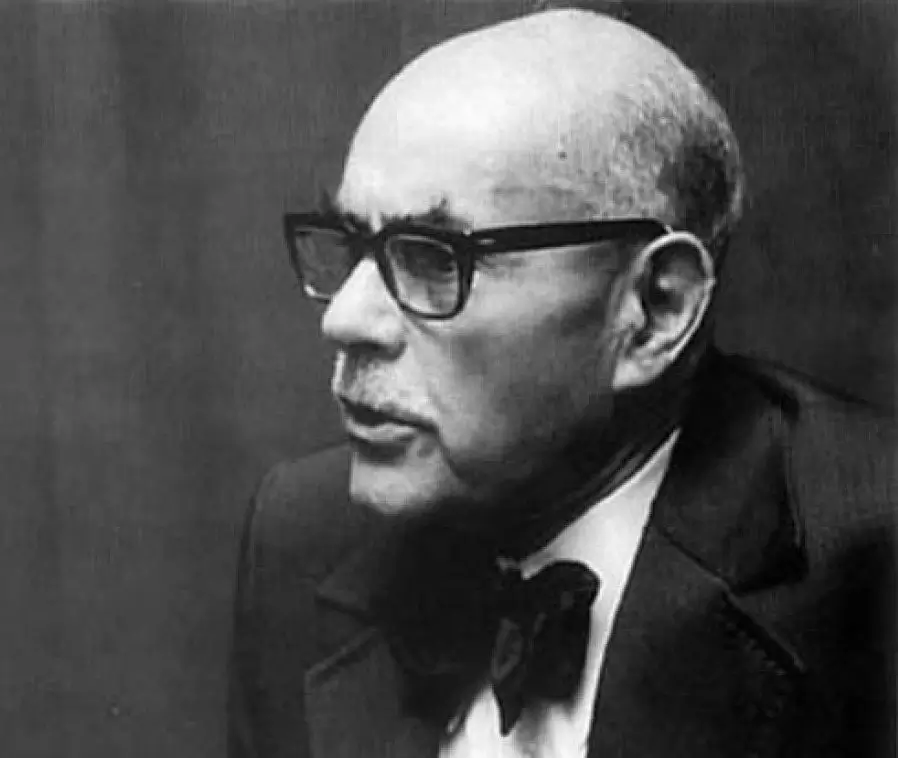
Wilfred Bion«In a way, psychoanalysis is extremely simple; yet, like anything simple, putting it into practice is surprisingly difficult.»
-Wilfred Bion, Clinical Seminars and Other Works, 1987, p. 5
Description:
Bion reminds us that the difficulty of psychoanalysis does not stem from the complexity of the technique, but from enduring simplicity: remaining in ignorance, suspending knowing, and staying faithful to the lived experience—without undermining it through hasty interpretation or unnecessary intervention.
-
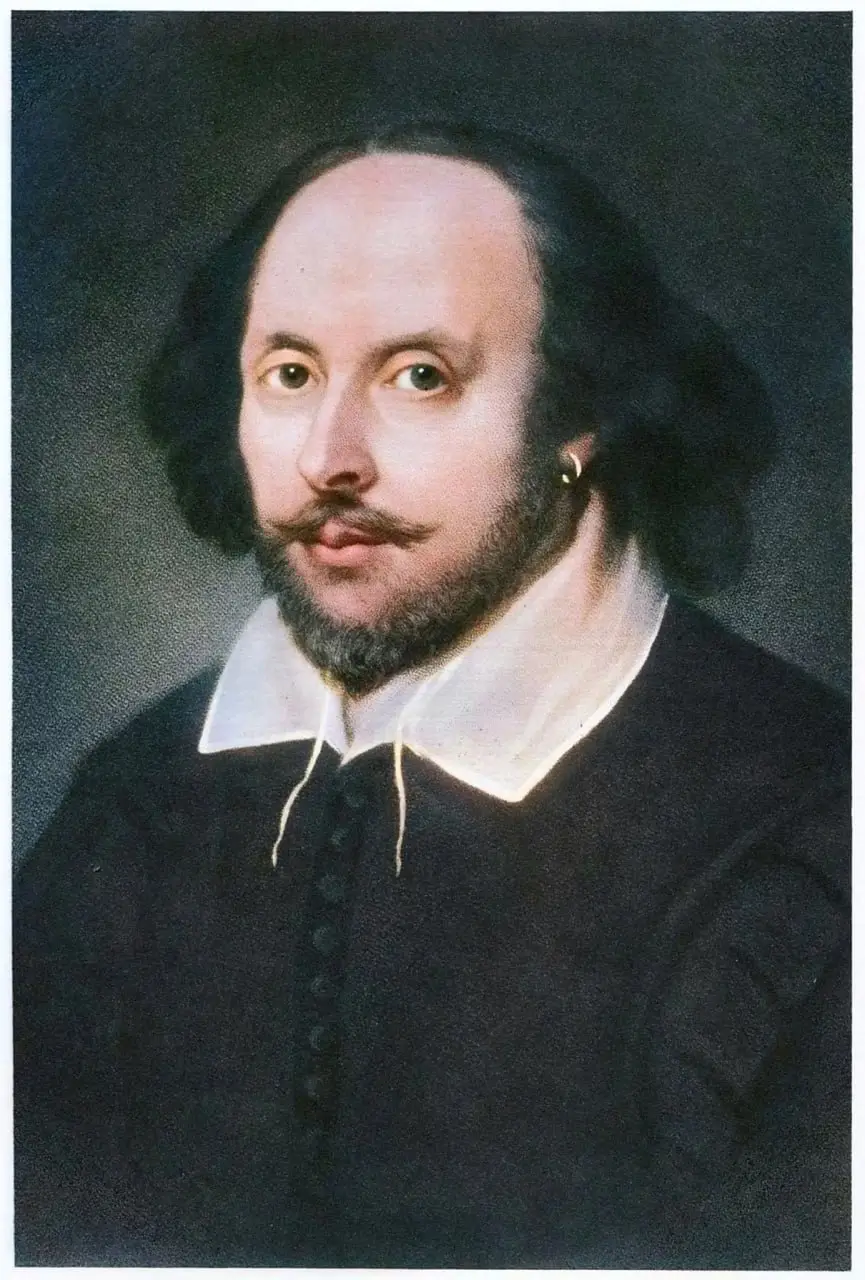
William Shakespeare
«I am only mad when the wind blows from the north-northwest;
when the wind is from the south, I clearly know what a hawk is and what a saw is.»– Hamlet
Description:
◐ Winnicott, borrowing from Hamlet, shows that:
a severely ill patient is not always psychotic;
rather, in certain relational fields,
🜁 there come moments when the wind of psychotic anxieties prevails.
◎ The art of the therapist:
not labeling, but discerning the direction of the wind. -
Dr. David Bell Prominent British psychoanalyst"The first principle of treatment is this:
above all, do no harm."
First Step
Returning to the Self
Healing begins where you dare to listen — to the quiet voices within, to the parts of you that have long waited to be seen and understood.
Frequently Asked Questions (FAQ)
Psychoanalytic psychotherapy is a therapeutic dialogue—a deep, gradual, and meaningful conversation. This approach helps us understand how what happens in our unconscious influences our decisions, relationships, emotions, and daily behaviors. Many problems that appear simple or repetitive on the surface have roots in early experiences and the hidden layers of the psyche. As long as these roots are not addressed, repetitive cycles continue, and superficial solutions are ineffective.
Psychoanalytic psychotherapy provides an opportunity for profound self-exploration: to recognize hidden patterns of feelings and thoughts, understand the complexities of the psyche, and get closer to what is truly happening within us. Rather than focusing solely on symptoms, this approach seeks to understand the underlying causes of phenomena. It is this deep perspective that makes psychoanalysis one of the most enduring and effective forms of therapy.
Sometimes we encounter emotions in our lives whose origins are unclear: anxieties without an obvious cause, relationships that repeatedly fail, or feelings such as emptiness, worthlessness, shame, guilt, fear, and anger that recur in different situations. When these emotions and patterns continue in cyclical, confusing, or debilitating ways, they may indicate parts of our unconscious that have been neglected and require attention.
Psychoanalytic psychotherapy is an effort to understand these hidden layers of the psyche. The goal is not merely to reduce symptoms; it helps us inflict less harm on ourselves and others, increase our capacity to tolerate difficult emotions and realities, and establish more stable and secure connections with ourselves and others. This path relies on our inner potentials and capacities—for the growth of awareness, the discovery of meaning, and the deepening of our lived experiences and human relationships.
Yes, online psychotherapy sessions can be highly effective. With advances in technology, it is now possible to conduct sessions that, in terms of the quality of the therapeutic connection, are not significantly different from in-person sessions. In the past, especially before the COVID-19 pandemic, many professional psychoanalytic institutions and therapists considered only face-to-face sessions as valid. However, during the pandemic, the need for online services led to a wider adoption of virtual psychotherapy.
Research studies have also shown that, in many cases, online sessions can be as effective as in-person therapy. This effectiveness, however, depends on the quality of the therapist-client relationship, the security of the virtual environment, and the individual’s psychological readiness to engage in an online session. Moreover, a successful online session requires creating a calm, uninterrupted space that respects privacy, allowing the client to participate with focus and a sense of safety.

Khishtan Blog
Stay informed about the latest scientific content in the world of psychology and psychotherapy.
The Relational Matrix: A Comprehensive Analysis of Communication Concepts in Psychoanalysis
In recent decades, psychoanalysis has undergone a fundamental transformation, shifting from an intrapsychic and individual-centered model to a relational and social framework. This shift, known as the “relational matrix,” defines the mind as a product...
Empathy and the unconscious: A critical review and summary.
This article explores the complex relationship between empathy and the unconscious in psychoanalysis, as presented by Stefano Bolognini in his seminal work Empathy and the Unconscious. It examines the structural, thematic, and dynamic aspects of...
Repetition Compulsion in Psychoanalysis
Repetition Compulsion is one of the fundamental concepts in psychoanalysis, first introduced by Sigmund Freud and later expanded upon in contemporary theories such as Object Relations and Self Psychology, which provided new interpretations and perspectives....
Five dominant approaches in psychoanalysis and their effectiveness compared to evidence-based psycho-dynamic therapy
Psychoanalysis is one of the oldest and most foundational approaches to psychological treatment. Over time, it has evolved into five major schools of thought: Freudian Psychoanalysis, Ego Psychology, Object Relations Theory, Self Psychology, and Contemporary...