





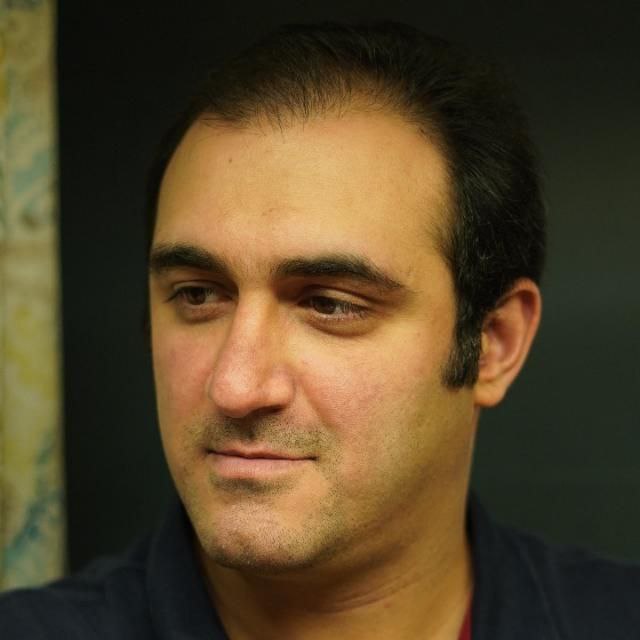
Ali Sepehri
Psychoanalytic Psychotherapist, Supervisor, Lecturer
- Board Member and Faculty Member of the Self Psychology Association of Iran
- Member of the International Association for Psychoanalytic Self Psychology (IAPSP)
- Based in Austria
Education and Specialized Training:
- PhD Candidate in Counseling, University of Tehran
- MA in Family Counseling, Kharazmi University
- Specialized certificates in psychoanalytic psychotherapy: Ferenczi, Object Relations, Klein and Bion (domestic and international programs)
- Two-year Infant Observation course under the supervision of Margaret Rustin, Tavistock Clinic
- Advanced training in Psychoanalytic Psychotherapy of Psychosomatic Disorders, Tavistock Clinic
- Advanced Systemic Family Therapy training (Minuchin model)
Areas of Expertise:
- Psychoanalytic psychotherapy for adults and couples
- Clinical supervision and training in psychoanalytic psychotherapy
- Parent consultation and psychoeducation
- Specialized counseling for psychological challenges related to migration and post-migration difficulties in children
- Active involvement in cultural and mental health projects for the Iranian diaspora
Publications:
Co-translator of the following specialized books in the field of psychoanalytic schools:
- Winnicott and Kohut on Intersubjective Psychoanalysis and Complex Disorders, Albatross Publishing
- An Introduction to Intersubjective Self Psychology
Book a Psychotherapy Session

Introduction
For me, psychoanalytic psychotherapy is a search for restoring one’s connection with the authentic self—an inner lived experience that may have been silenced, overlooked, or wounded. What forms the essence of therapy, in my view, is a living, two-person relationship—one grounded in safety, empathy, and the absence of judgment, where the self can be felt and re-understood.
My therapeutic orientation, rooted in Self Psychology and the intersubjective-psychoanalytic perspective, places emphasis on the individual’s experience in the here-and-now and on how unconscious echoes of the past emerge within the therapeutic relationship. I believe that in such a space, transformation is not an external goal but a living, unfolding process.
My understanding of therapy goes beyond technique. I see psychotherapy as a deep dialogue between psyches—where human connection and the experience of being understood become the ground for growth.
In the therapy room, the aim is to accompany the patient in approaching the depths of the unconscious and the intricate textures of inner experience—where hidden layers of suffering, repressed memories, and unformulated yearnings for connection and meaning gradually come into light within a safe and reflective relational space, allowing psychological change to take shape.
Personal Analysis and Supervision
My professional development has always been intertwined with ongoing personal therapy and specialized supervision. More than seven years of individual analysis, supervision with IPA psychoanalysts, and participation in advanced courses on Object Relations and the theories of Klein and Bion have played a foundational role in shaping my analytic insight and deepening my clinical perspective.
I believe that the quality of my presence in the therapy room is shaped through lived experience, theoretical reflection, and professional feedback—a dynamic and evolving process.