





In Praise of Metaphor
Sometimes an image can do what hundreds of words cannot. In the heart of therapeutic conversations, metaphors often appear like golden bridges — bridges between pain and meaning, between breaking and rebuilding. This is the essence of metaphor therapy.
In one group supervision session, a colleague shared an experience that, though simple on the surface, carried a moment of transformation at its depth. She said, “Last week, I couldn’t stop thinking about one of my clients. He said his family was like a broken vessel — fractured, caught in addiction, mistrust, and conflict. He said there was no hope for repair.”
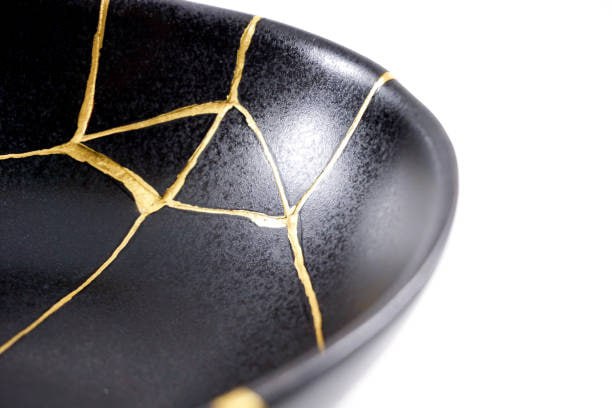
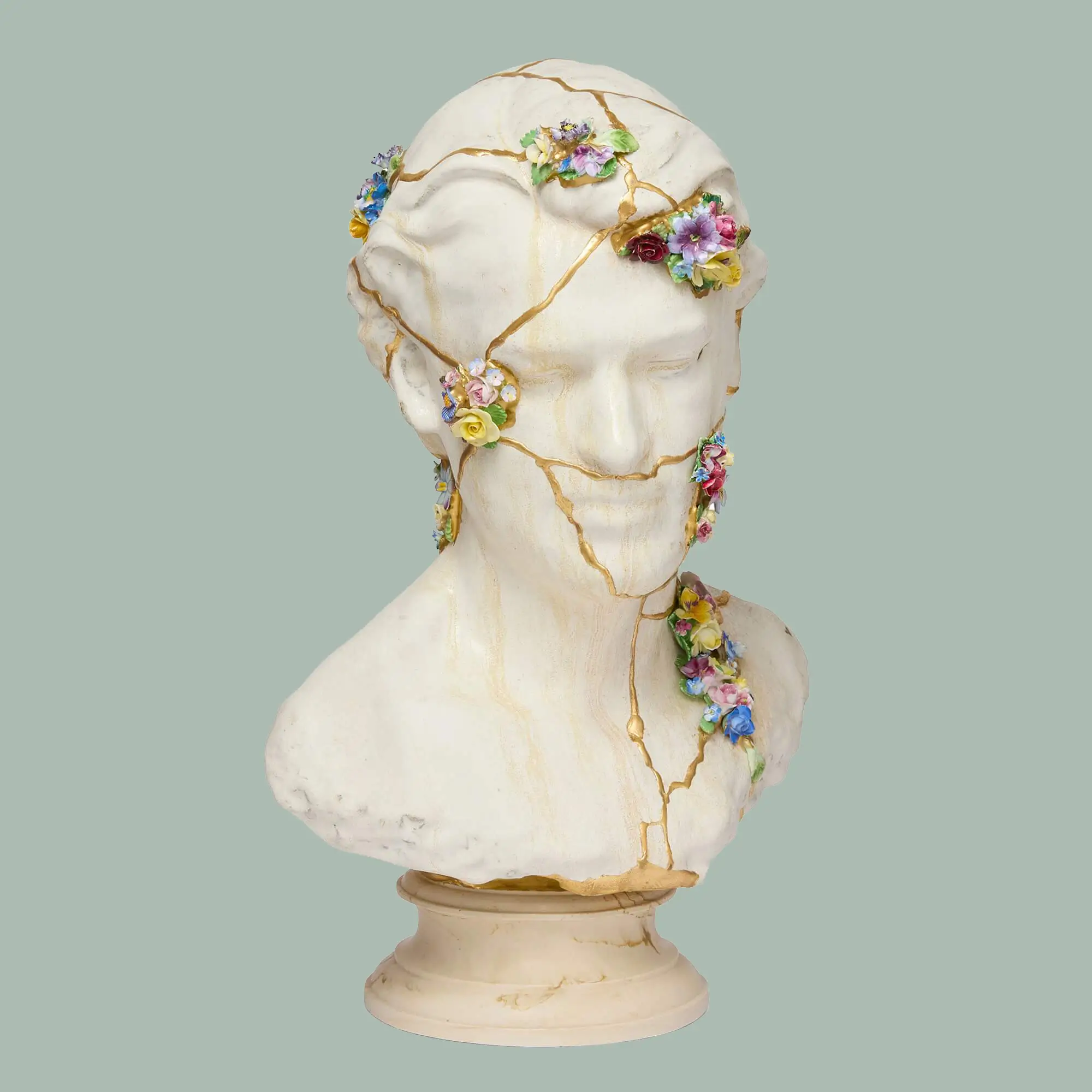
The therapist explained that after that session, she carried a heaviness and sense of helplessness. The phrase broken vessel kept echoing in her mind — until an image took shape: the Japanese art of Kintsugi — repairing broken pottery with molten gold, not to conceal the cracks but to reveal the beauty of restoration.
[Read More: Existential Thirst: The Deep Longing to Tell Our Stories]
Kintsugi as a Metaphor for Healing in Metaphor Therapy
In the next session, she shared this image with her client. The metaphor worked like a light in the darkness. The client began to speak about the possibility of healing — about how perhaps he didn’t need to deny the past in order to live again, but could instead gather the broken pieces of his life with a renewed perspective. The broken vessel, once a symbol of collapse, became a sign of resilience and meaning.
The Role of Bion’s Reverie in Metaphor Therapy
As my colleague told this story, I thought of how metaphor can perform what Bion calls the alpha function — the capacity to transform raw, unprocessed emotion into something thinkable and bearable. Instead of fleeing from her own feeling of helplessness, the therapist contained it, stayed with it, and from within it, an image was born. This is what Bion describes as reverie — the therapist’s capacity to translate the client’s unconscious language into image and thought.
Metaphor as the Language of Psychotherapy
The metaphor of Kintsugi here is not merely a beautiful example; it is the process of therapy itself. A metaphor becomes a vessel for thinking — the gold of the psyche that binds the broken pieces of the mind together. In such moments, metaphor does the work of psychotherapy: to repair, to give meaning, and to restore hope.
Resilience and the Essence of Metaphor Therapy
Bion once said, “Thinking begins when the mind can bear frustration.” Metaphor carries that same capacity for endurance, helping the mind transform pain into meaning.
Conclusion: The Psychological Kintsugi
Perhaps every deep therapy, at its core, is a kind of psychological Kintsugi — the mending of the mind’s fragments with the gold of empathy, reflection, and metaphorical language. That is the timeless beauty of metaphor therapy.
For further reading about the healing power of metaphor, see: